

CAVITY WALL
TIE SURVEY
Professional cavity wall Tie inspections with detailed reports for homeowners, buyers, surveyors and mortgage lenders.
☑ Mortgage Ready Reports
☑ WTIF Accredited Specialists
☑ Fast Turnaround Times
☑ Honest Expert Recommendations
⭐⭐⭐⭐⭐ Google Reviews

CAVITY WALL
TIE SURVEY
Professional cavity wall Tie inspections with detailed reports for homeowners, buyers, surveyors and mortgage lenders.
☑ Mortgage Ready Reports
☑ Cavity Camera Inspections
☑ Fast Turnaround Times
⭐⭐⭐⭐⭐ Google Reviews

WHAT IS A WALL TIE SURVEY?
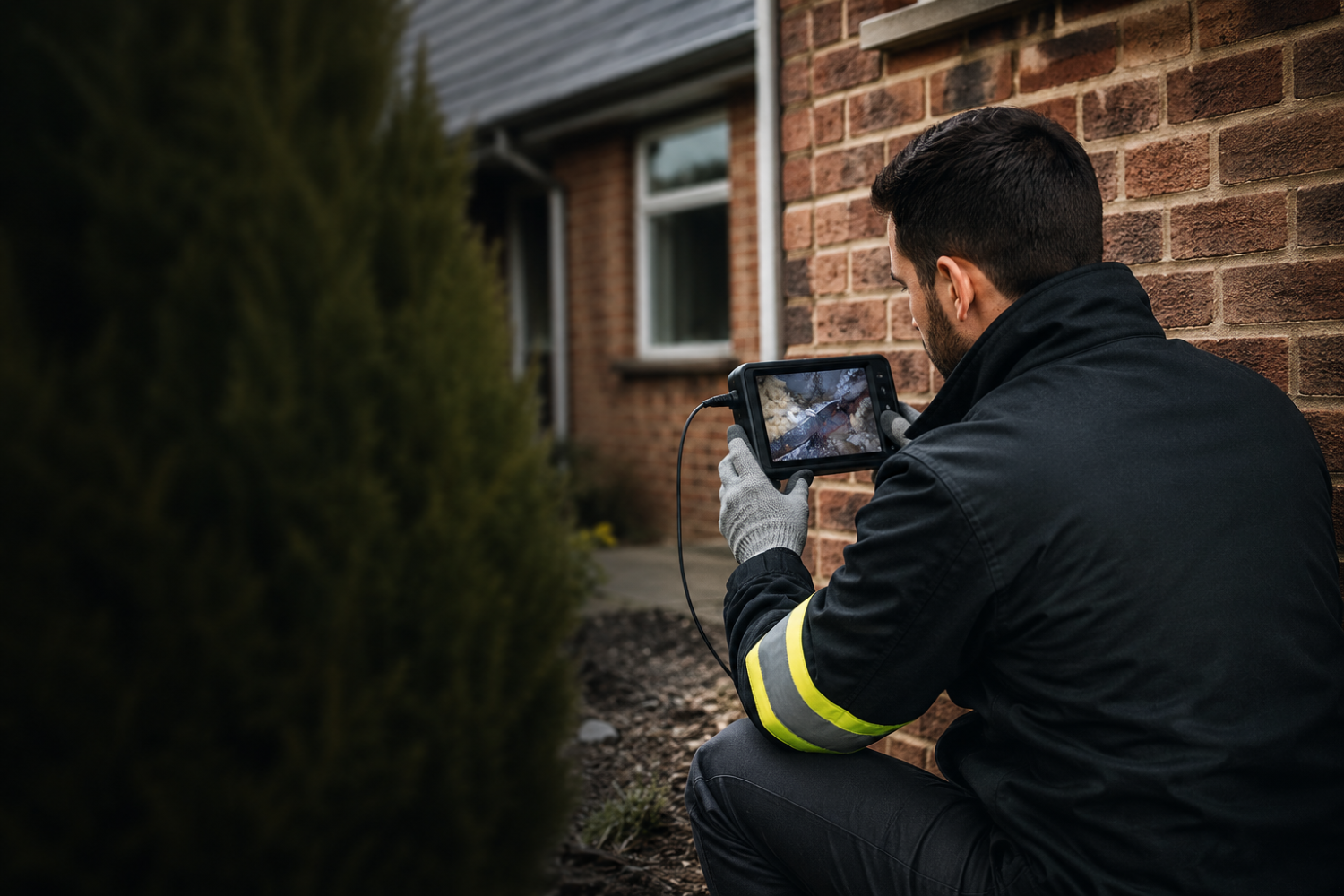
A wall tie survey checks the condition of the wall ties that hold cavity walls together. Corroded or failed wall ties can cause cracking, bulging brickwork and structural movement.
Using specialist equipment, including borescopes and metal detectors, we carry out detailed inspections and provide mortgage-ready reports with clear findings, photographs and honest recommendations.
✓ Detailed wall tie inspections
✓ Mortgage-ready reports
✓ Honest, independent advice
✓ Fast turnaround across the Northwest
WHEN DO YOU NEED A WALL TIE SURVEY?
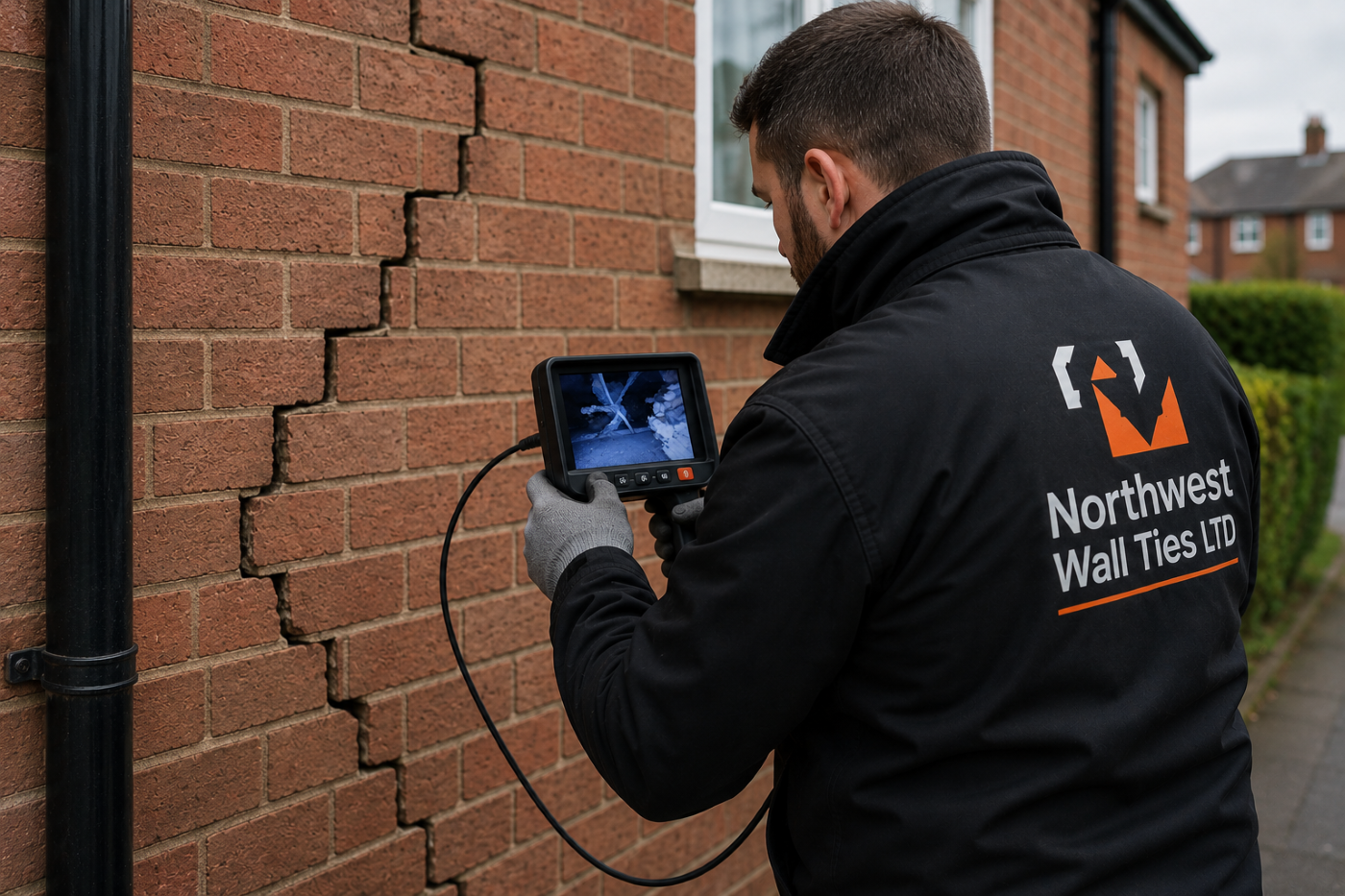
Wall tie surveys are commonly recommended by mortgage lenders, surveyors and structural engineers. They may be needed when buying or selling a property, if cracking or movement is identified, or where wall tie failure is suspected.
Common reasons for a survey:
✓ Mortgage lender requirements
✓ Homebuyer survey recommendations
✓ Cracking brickwork or bulging walls
✓ Suspected wall tie failure
✓ Peace of mind when buying a property
WHAT’S INCLUDED IN OUR REPORTS?
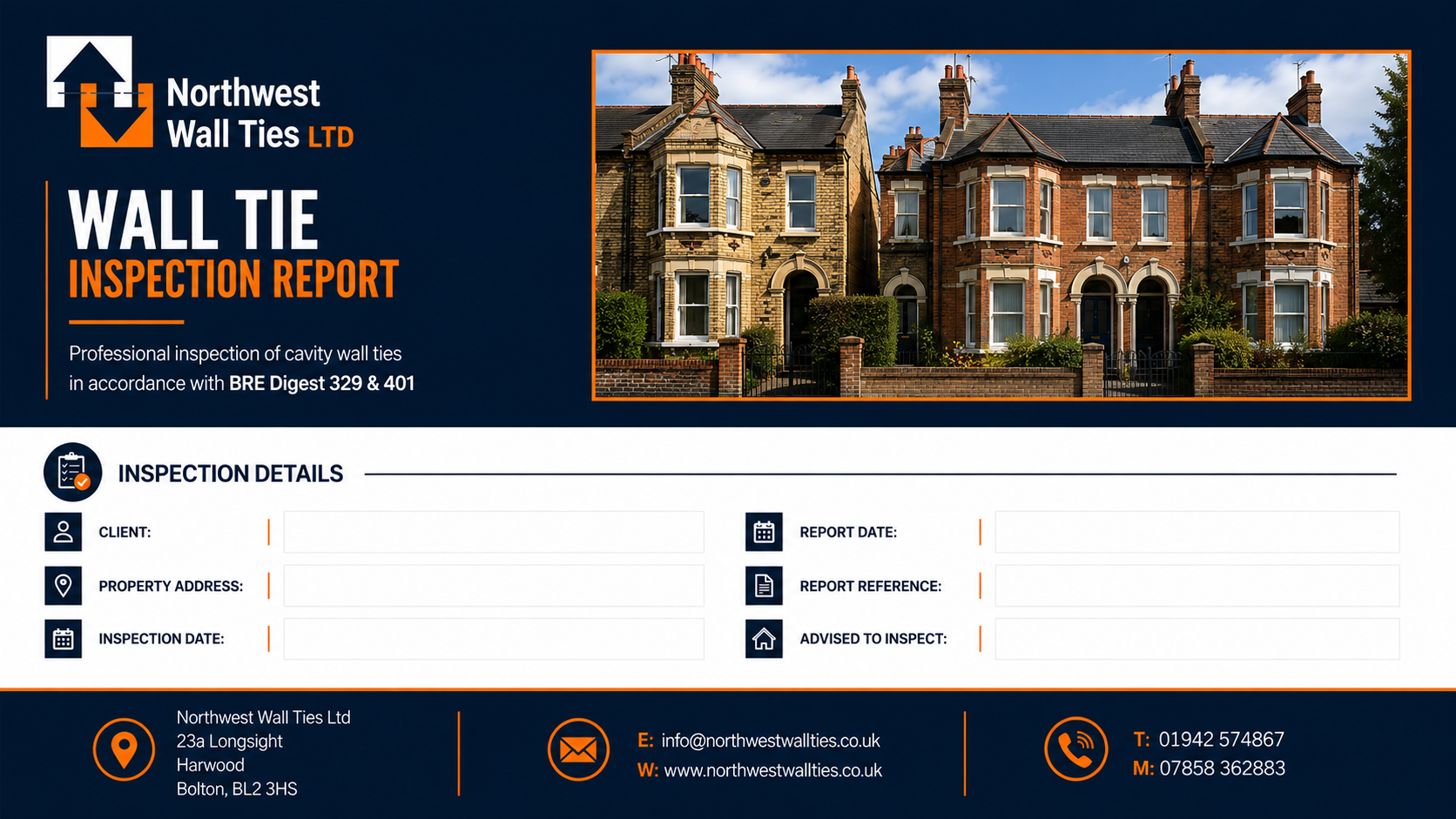
Our reports follow BRE Digest 329 & 401 guidance, ensuring independent, industry-standard recommendations. Each report includes photographs, BRE condition grading, identified defects, professional recommendations and, where required, a quotation for remedial works.
Wall tie surveys are often requested by mortgage lenders and surveyors during a property purchase. If you proceed with any recommended remedial works, your survey fee will be deducted from the cost of the works.

DO I NEED MY WALL TIES REPLACED?
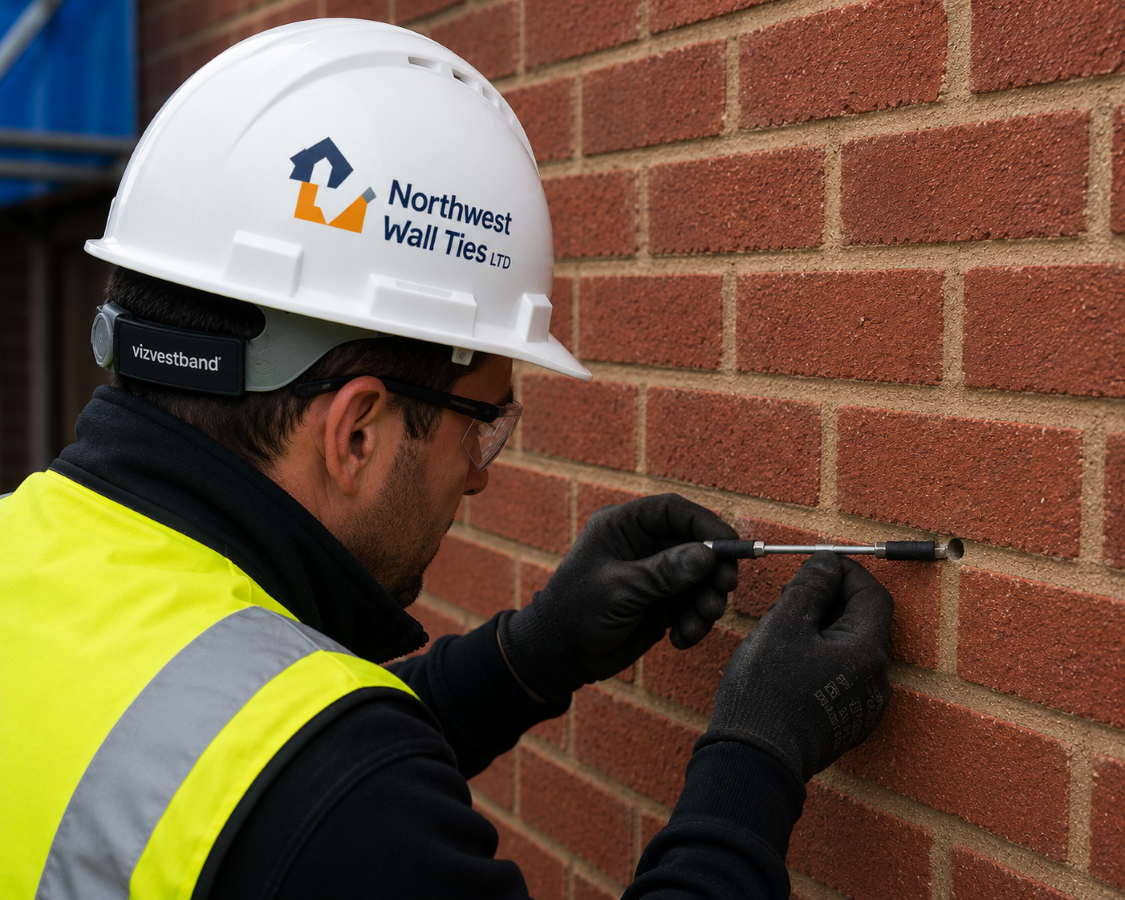
Not every wall tie survey identifies defects that require replacement. In many cases, wall ties only show minor deterioration and, in line with BRE guidance, simply need monitoring and re-inspection in 5–10 years.
A professional wall tie survey is the only way to determine whether remedial work is necessary. If no repairs are needed, the survey still provides valuable peace of mind and can help avoid unexpected costs when buying a property.
Our recommendations are based on recognised BRE guidance, ensuring honest, impartial advice every time.
WHAT IS A WALL TIE SURVEY?
A wall tie survey is a specialist inspection designed to assess the condition, placement and effectiveness of the wall ties that hold the inner and outer leaves of a cavity wall together. Over time, wall ties can deteriorate due to corrosion, poor installation or material failure. If left untreated, defective wall ties can lead to structural problems including horizontal cracking in brickwork, bulging walls, movement within the property and, in severe cases, instability of the external masonry.
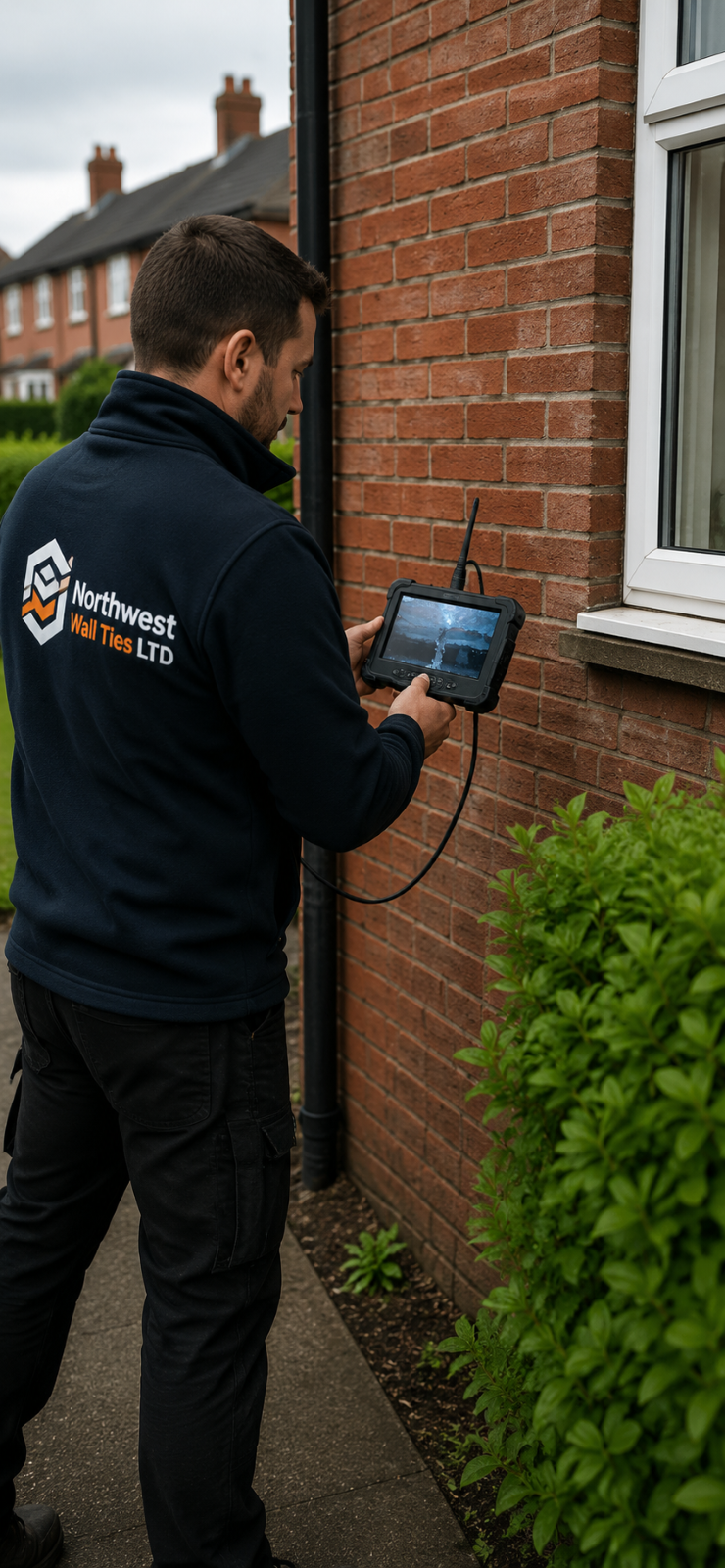
At Northwest Wall Ties Ltd, we provide comprehensive wall tie surveys carried out by experienced specialists using advanced inspection methods and industry-leading equipment. Our inspections utilise specialist tools including borescopes and metal detection equipment to accurately locate existing wall ties and assess their condition without unnecessary disruption to the property.
Every survey is carried out with a detailed and methodical approach, allowing us to identify signs of corrosion, inadequate spacing, missing ties and any associated structural concerns. We inspect both residential and commercial properties and provide straightforward, unbiased advice based on our findings.
Following the inspection, we produce clear, professional mortgage and lender-ready reports containing:
• Detailed findings and assessment results
• Photographic evidence from the inspection
• Identification of wall tie type and condition
• Recommendations for any remedial work required
• Independent advice to help support property decisions
Whether you are a homeowner concerned about cracking brickwork, a buyer arranging a pre-purchase survey, or a lender requiring specialist reporting, our reports provide the information needed to make informed decisions with confidence.
✓ Detailed wall tie inspections
✓ Mortgage and lender-ready reports
✓ Honest, independent advice
✓ Fast turnaround across the Northwest
WHEN DO YOU NEED A WALL TIE SURVEY?
Most homeowners have never heard of wall ties or wall tie surveys until one is recommended by a mortgage lender, surveyor or structural engineer.
A wall tie survey may be required when buying or selling a property, where cracking or movement has been identified, or when there are concerns about wall tie corrosion or failure.
Common reasons for a wall tie survey include:
✓ Mortgage lender requirements
✓ Homebuyer survey recommendations
✓ Cracking brickwork
✓ Bulging external walls
✓ Suspected wall tie failure
✓ Peace of mind when buying a property
DO I NEED WALL TIE REPLACMENT?
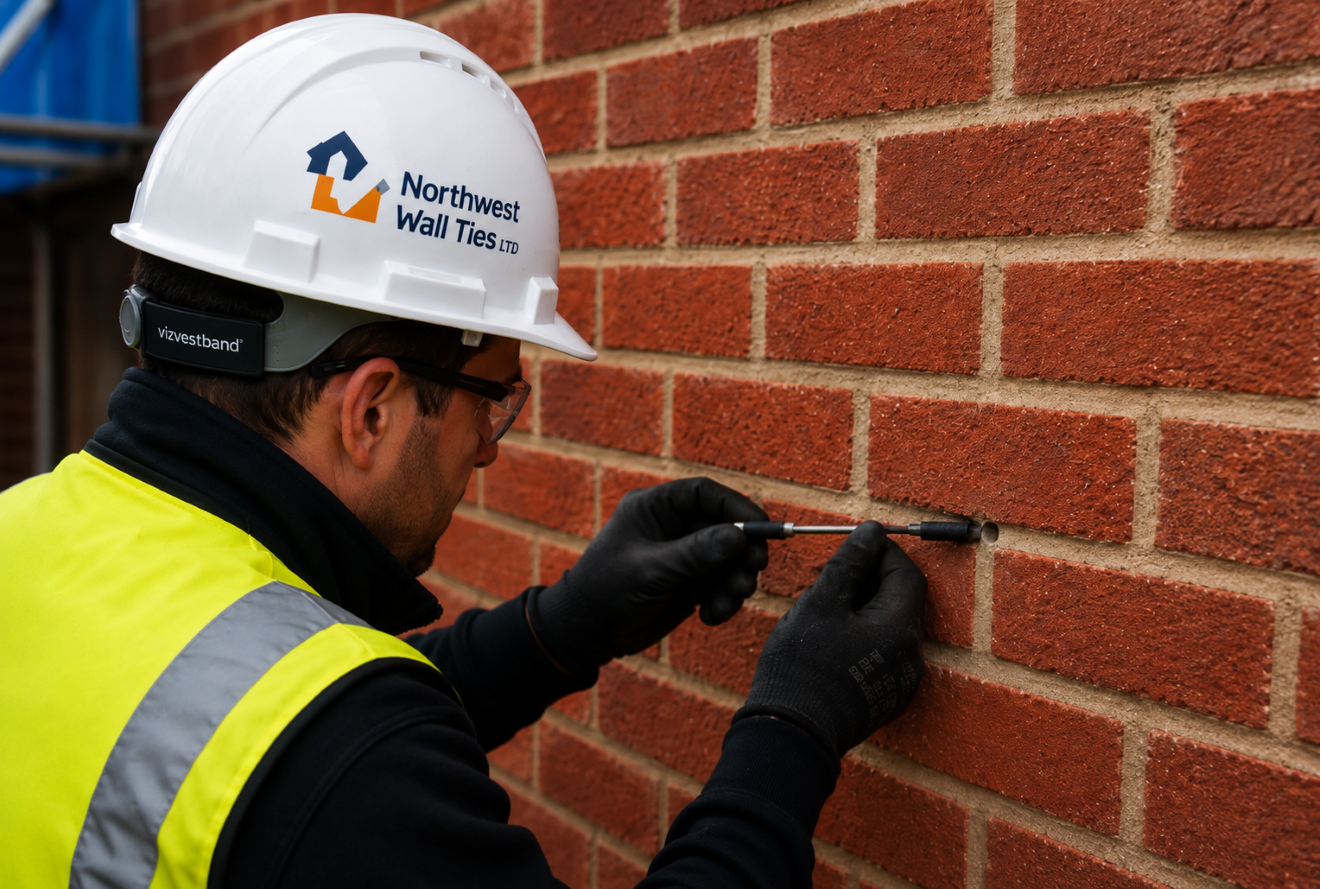
Not every wall tie survey identifies defective wall ties requiring replacement. In many cases, wall ties may show minor signs of corrosion or deterioration that, in accordance with BRE guidance, only require further monitoring and re-inspection in 5 or 10 years.
The only way to determine whether remedial wall tie replacement is required is through a professional wall tie survey. If no remedial works are needed, the cost of a survey can be a worthwhile investment compared to unknowingly purchasing a property that requires significant repair costs.
Our recommendations are based on recognised BRE guidance, ensuring complete transparency and impartial advice.
WHAT CAUSES WALL TIES TO CORRODE?
Wall ties are an essential component of cavity wall construction, connecting the outer and inner leaves of masonry and helping to maintain the structural stability of a property. While designed to last for many years, wall ties can deteriorate over time, particularly in older buildings where less durable materials were used.
Moisture and Corrosion
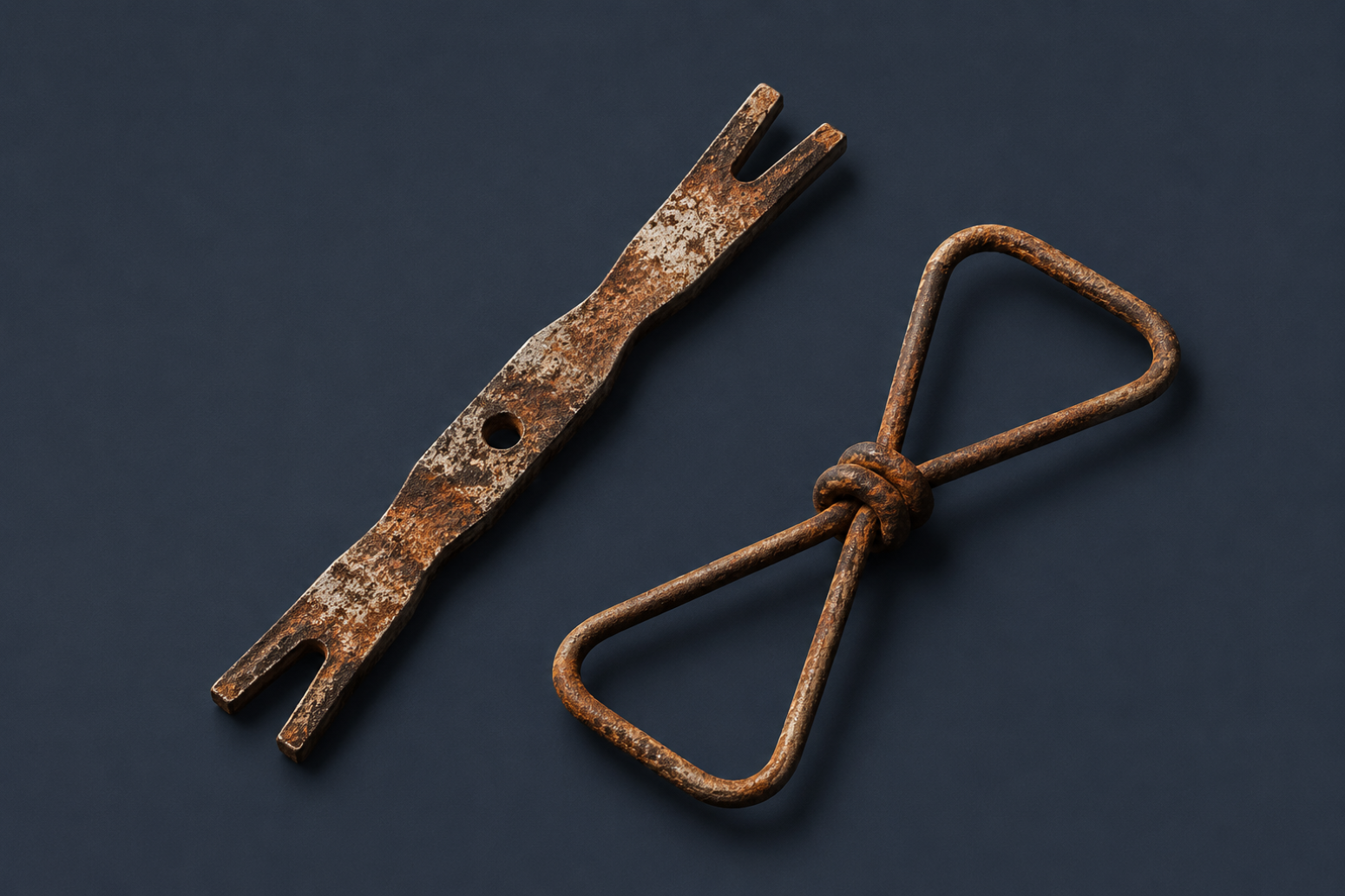
The most common cause of wall tie failure is corrosion. Traditional mild steel wall ties are vulnerable to rust when exposed to moisture within the cavity. As steel corrodes, it expands significantly, placing pressure on the surrounding mortar and brickwork. This expansion can lead to horizontal cracking in mortar joints, bulging walls, and, in severe cases, structural instability.
The Impact of Black Ash Mortar
One of the main factors associated with accelerated wall tie corrosion in older properties is the use of black ash mortar. Widely used in many parts of the UK during the early and mid-20th century, black ash mortar was produced using waste materials from coal-fired furnaces and industrial processes.
Unfortunately, black ash mortar often contains impurities such as sulphates, chlorides, and unburnt carbon. These contaminants can create a more aggressive environment around metal wall ties, increasing the rate of corrosion. When moisture enters the masonry, these soluble salts can be activated, further accelerating the deterioration of embedded steel components.
Age and Original Materials
Many properties built before the 1980s contain galvanised or unprotected steel wall ties that were not manufactured to modern durability standards. Over decades of exposure to moisture and environmental conditions, the protective coatings can fail, leaving the steel vulnerable to corrosion.
COSTAL AREAS
Properties located in coastal areas or regions exposed to driving rain may experience higher levels of moisture penetration within cavity walls. Salt-laden air and persistent damp conditions can significantly increase the risk of wall tie corrosion, particularly where older wall ties are present.
Why a Wall Tie Survey is Important
Corroded wall ties are hidden within the cavity and often cannot be assessed through a simple visual inspection. A specialist wall tie survey uses borescope equipment to inspect the condition of existing wall ties, identify any signs of corrosion or failure, and determine whether remedial work is required.
Early detection can help prevent more extensive structural issues and ensure that any necessary repairs are carried out before significant damage occurs.
WHY CHOOSE NORTHWEST WALL TIES
Family Values: As a family-run business, we understand the importance of trust and reliability. You can count on us to treat your property with the same care and attention to detail as we would our own.
Wall Tie Installers Federation Members: Northwest Wall Ties are members of the Wall Tie Installers Federation, registered installers subscribe to a code of practice based on BRE Digests 329 and 401 and the Federation’s own rules. This membership together with adherence to BRE standards provides reassurance to our customers on the quality of our work.
Expertise: With years of experience in cavity wall tie inspection and repair, we have the knowledge and skills to deliver superior results, no matter the complexity of the project.
Customer Satisfaction: Your satisfaction is our top priority. We go above and beyond to exceed your expectations and ensure a smooth and hassle-free experience from start to finish.
Quality Assurance: We stand behind the quality of our workmanship and materials, ensuring that your property receives the best possible care and attention.