
Masonry Crack Stitching | Structural Wall Crack Repairs2026-08-30T18:43:28+00:00

MASONRY CRACK STITCHING

A specialist repair for stepped cracking in brick and masonry walls. Crack stitching helps stabilise and reinforce cracked brickwork, providing a durable repair where movement has caused cracking.

Fully Guaranteed Work

Expert Crack Stitching Specialists

Quality Repairs That Last

GET A FREE QUOTE

MASONRY CRACK STITCHING

Specialist repair for stepped cracks in brick and masonry. We stabilise and reinforce cracked walls with durable, long-lasting repairs.

Fully Guaranteed
Crack Stitching Specialists
Repairs Built to Last

GET QUOTE
CALL US
wall tie survey

What Is Crack Stitching?

how to fix stepped cracking

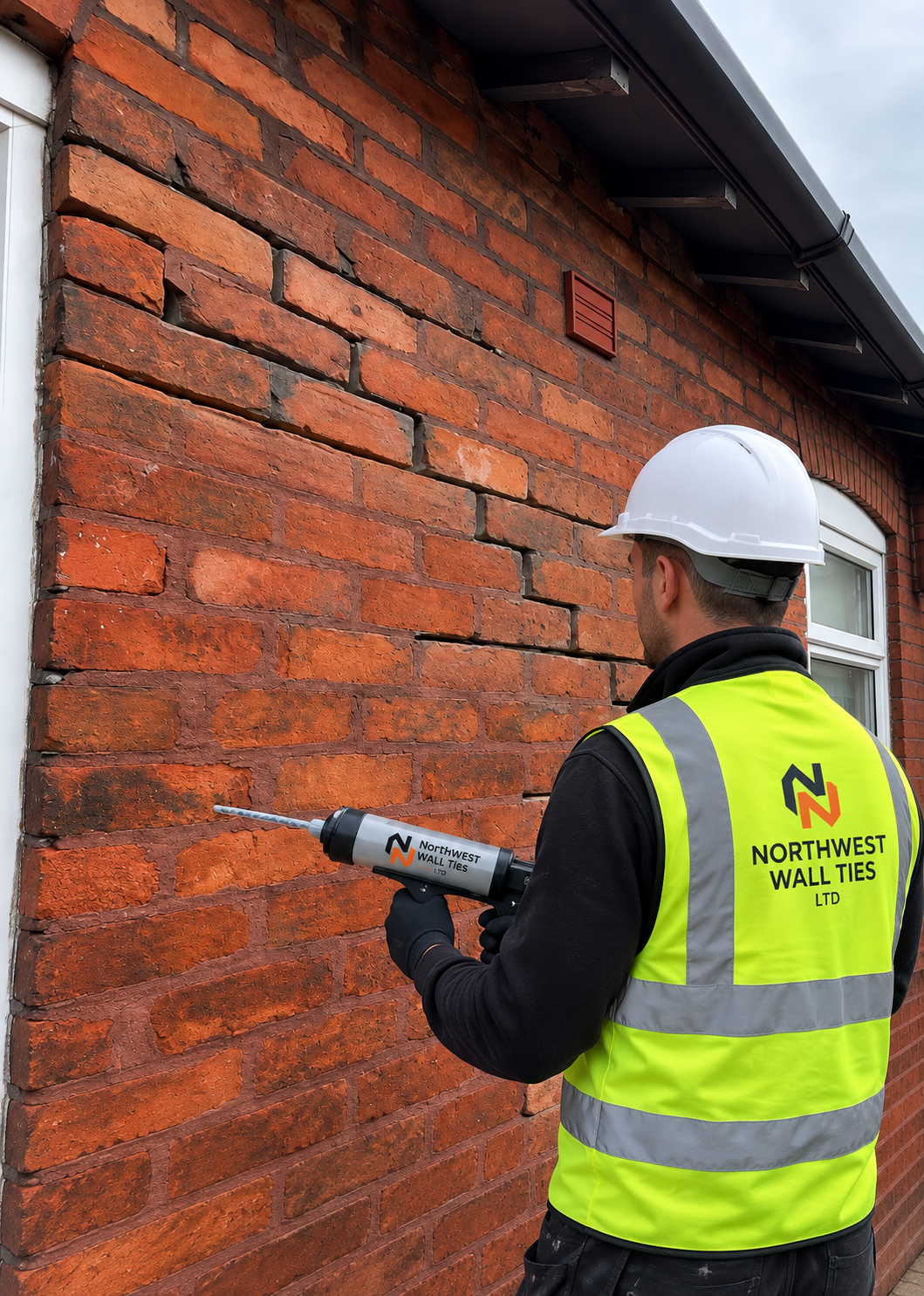
Crack stitching is a specialist repair method used to stabilise and reinforce cracked brickwork, particularly stepped cracks.

The repair involves installing stainless steel helical bars across the crack and securing them into the surrounding masonry with a specialist structural resin. This helps reconnect the brickwork and strengthen the affected area.

Noticed stepped cracking in your walls? We can assess the damage and recommend the right repair.

What Causes Stepped Cracking in Brickwork?
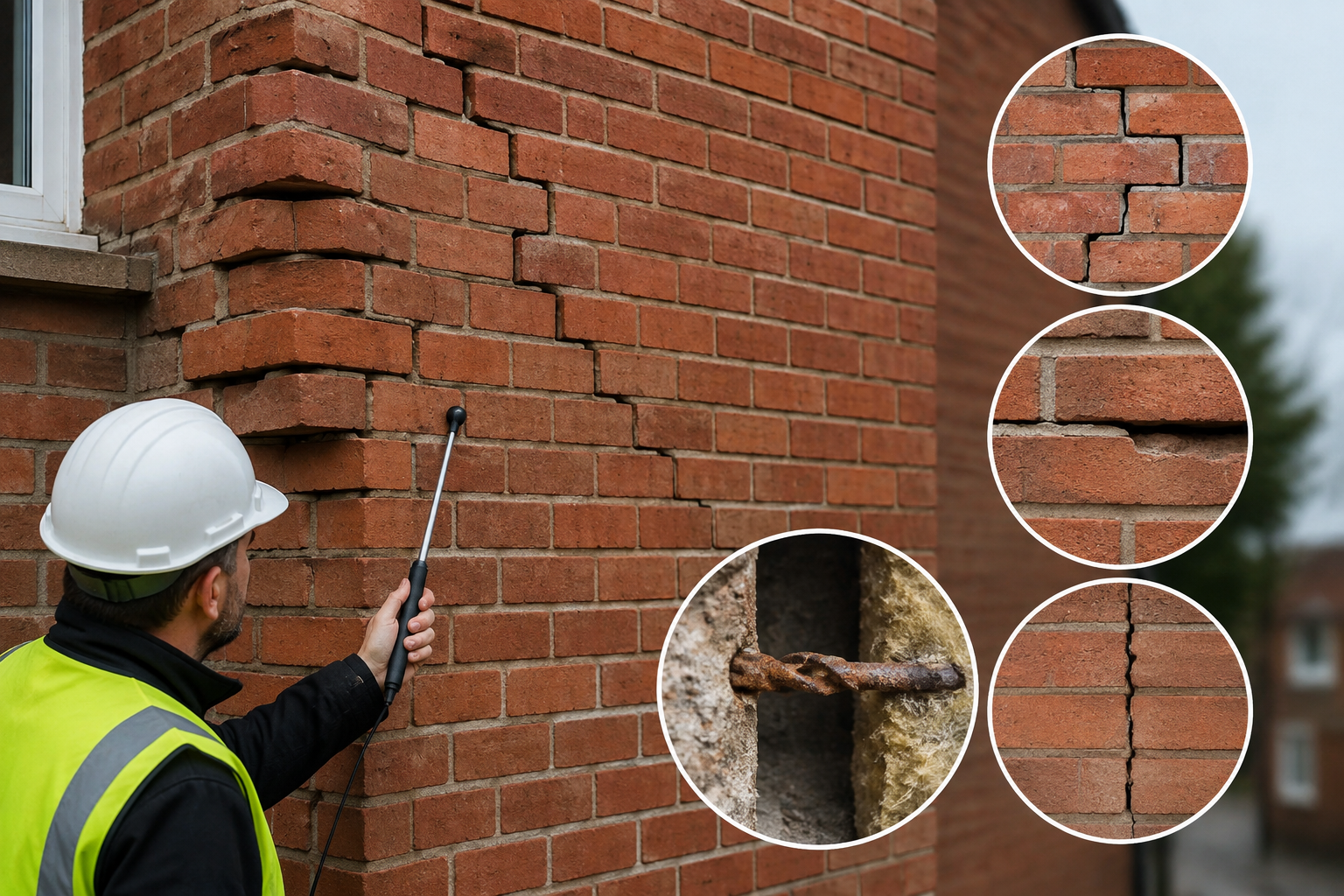
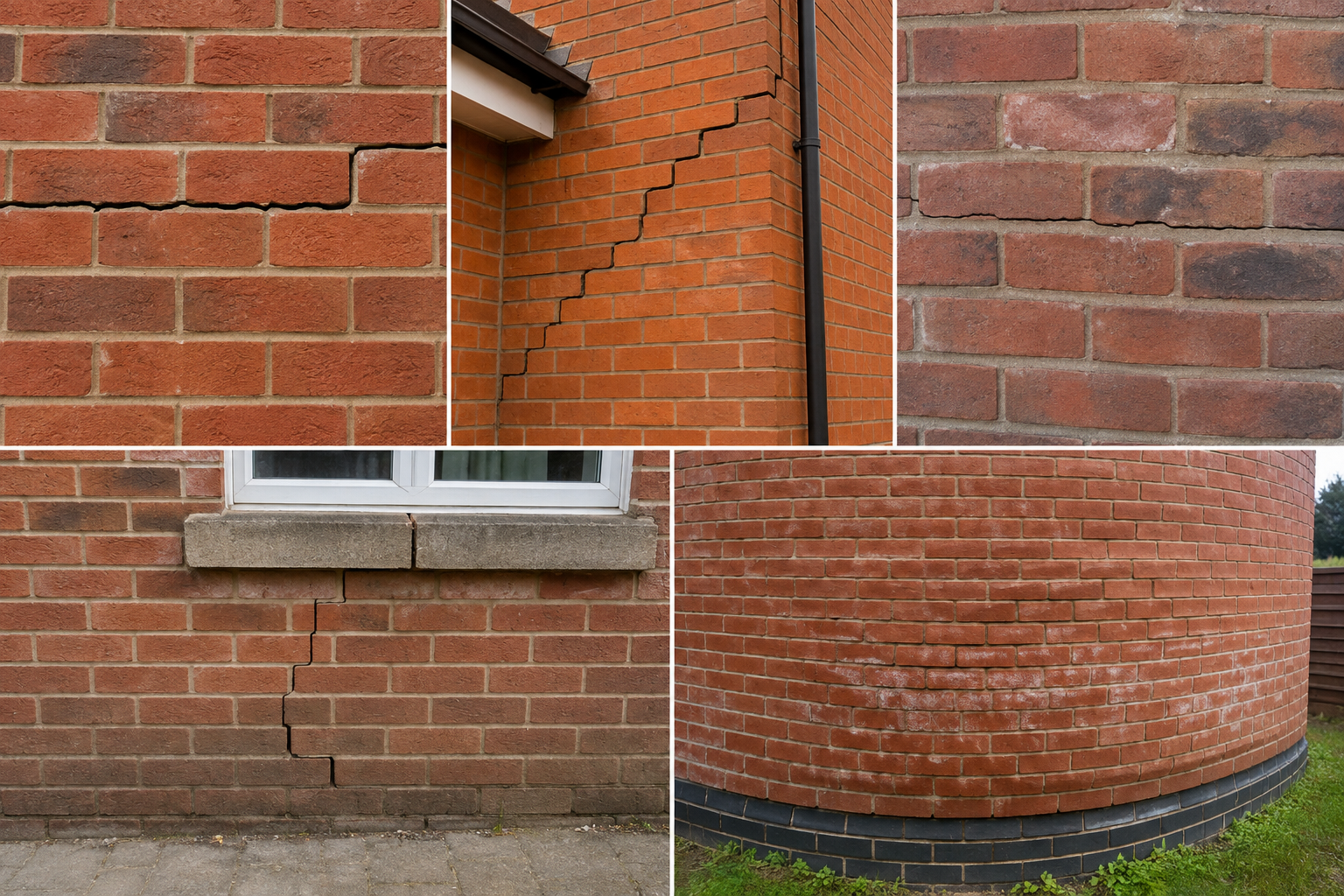
Stepped cracking is a diagonal or zig-zag crack that follows the mortar joints of a brick wall. Common causes include:

  • Movement & settlement – Uneven foundation movement can cause stepped or zig-zag cracks.
  • Ground movement – Expanding and contracting clay soils and changing ground conditions can stress foundations and brickwork.
  • Wall tie issues – Missing, damaged or poorly installed wall ties can reduce restraint and increase the risk of cracking.
  • Thermal & moisture movement – Changes in temperature and moisture can cause brickwork to expand and contract, leading to cracks.
  • Structural movement – Building alterations, changes in load or other structural movement can contribute to cracking.

The location, direction and width of the crack can help identify the likely cause.

Are Zig Zag Cracks in Walls a Problem?
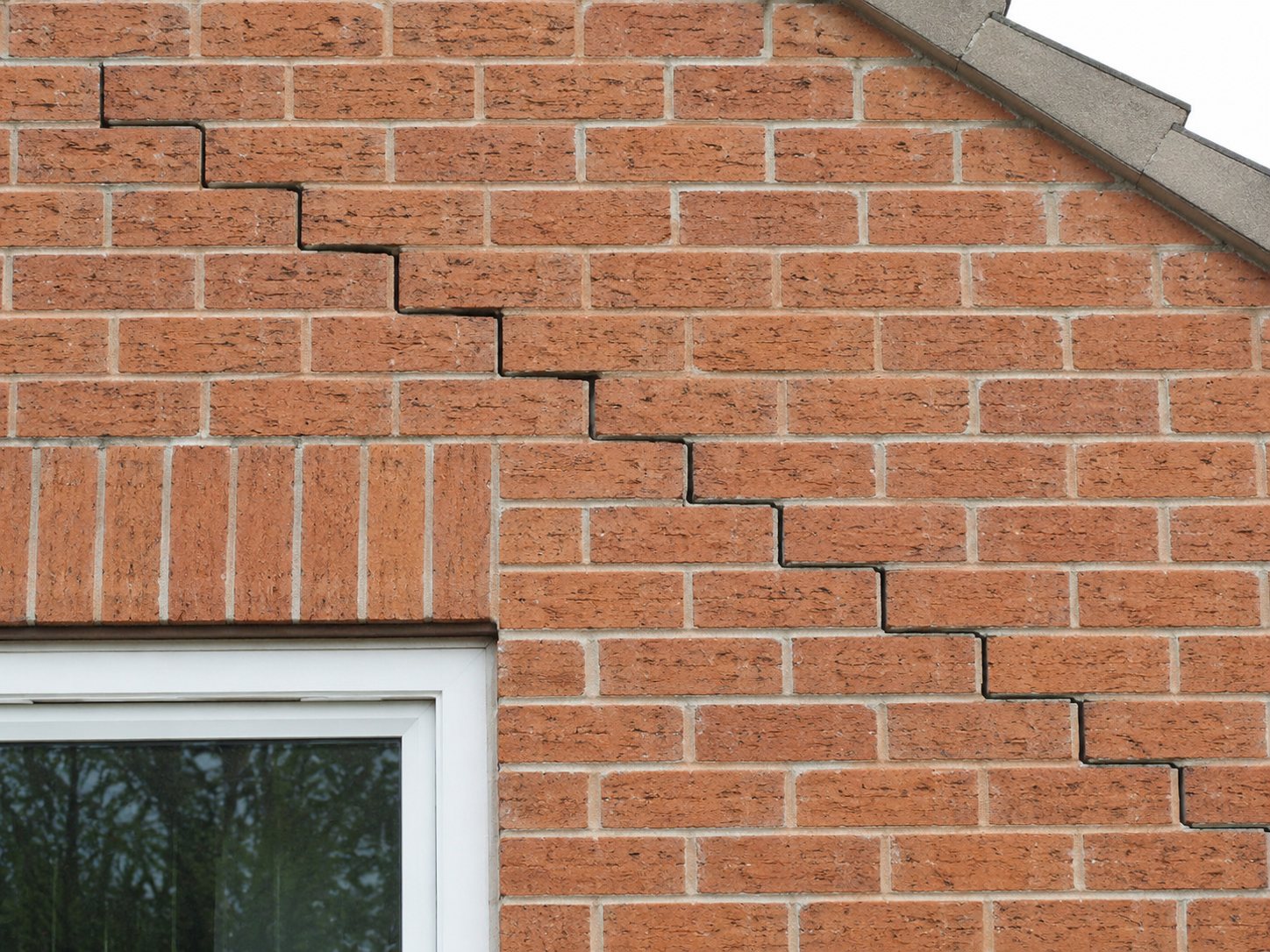
WHEN TO WORRY ABOUT CRACKS IN WALLS

Not all cracks mean there is a serious structural problem, but stepped or zig-zag cracks should not be ignored.

The position, width, pattern and progression of the crack can help identify the cause. Where cracking is linked to movement, poor restraint or wall tie issues, the underlying problem may need to be addressed first.

Noticed stepped or zig-zag cracks in your brickwork? We can assess the damage and advise whether crack stitching or another repair is suitable.

Northwest Wall Ties

What Is Crack Stitching?

Crack stitching is a specialist masonry repair method used to stabilise and reinforce cracked brickwork, particularly stepped cracking in walls.

The process involves installing stainless steel helical crack stitching bars across the cracked masonry, securing them into the surrounding brickwork with a specialist structural resin. This helps reconnect the masonry across the crack and provides additional strength to the affected area.

If you have noticed stepped cracks running through your brickwork, we can assess the cracking and recommend the most suitable repair.

how to fix stepped cracking

What Causes Stepped Cracking in Brickwork?

Stepped cracking is a common type of masonry cracking that follows a diagonal or zig-zag pattern through the mortar joints of a brick wall. If you have noticed zig zag cracks in your walls, there are several possible causes, including movement, settlement, inadequate restraint and issues with wall ties.

Movement & Settlement

One of the most common causes of stepped cracking is movement within the building or its foundations. Differential settlement can cause sections of a wall to move at different rates, resulting in stepped or zig-zag cracks through the brickwork.

Ground Movement

Changes in ground conditions can place stress on foundations and masonry. Clay soils can expand and contract with changes in moisture levels, while other ground movement can cause uneven movement beneath the building.

Wall Tie Issues

Wall ties help connect the outer brickwork to the inner structure of a cavity wall and provide restraint. Where wall ties are missing, inadequate, poorly installed or have deteriorated, the outer leaf may have reduced restraint and become more susceptible to movement and cracking.

Thermal & Moisture Movement

Brickwork naturally expands and contracts as temperatures and moisture levels change. Where movement cannot be adequately accommodated, stresses can build within the masonry and lead to cracking.

Structural Movement

Alterations to a building, changes in load distribution or movement within the structure can sometimes contribute to cracking. The location, direction and width of the crack can provide useful clues when assessing the likely cause.

Are Zig Zag Cracks in Walls a Problem?

Not every crack indicates a serious structural problem, but stepped or zig-zag cracking should not automatically be ignored. The pattern, position, width and progression of the crack all need to be considered.

Where cracking is associated with movement, inadequate restraint or wall tie issues, the underlying cause may need to be addressed before or alongside any masonry repair.

If you have noticed stepped cracking or zig zag cracks in your brickwork, we can assess the affected area and advise whether crack stitching or another repair method is appropriate.

WHEN TO WORRY ABOUT CRACKS IN WALLS

SEE OUR CRACK STITCHING PROCESS

Why Might You Need Crack Stitching?

cracking outside house when to worry?

Stepped cracks can develop when brickwork is affected by movement, settlement or structural stress. Left untreated, cracks may worsen and affect surrounding masonry.

Crack stitching reinforces and stabilises the affected brickwork, helping restore strength across the crack.

It may be suitable where the masonry is still in a condition that can be effectively repaired.

Stepped Cracking

Cracks that follow a stepped pattern through the mortar joints.

Movement & Settlement

Cracking caused by movement or settlement within the building.

Failed Previous Repairs

Cracks that have reappeared after previous filling or repair work.

Reinforcement Required

Where cracked masonry needs additional reinforcement to help stabilise the affected area.

How Does Crack Stitching Work?
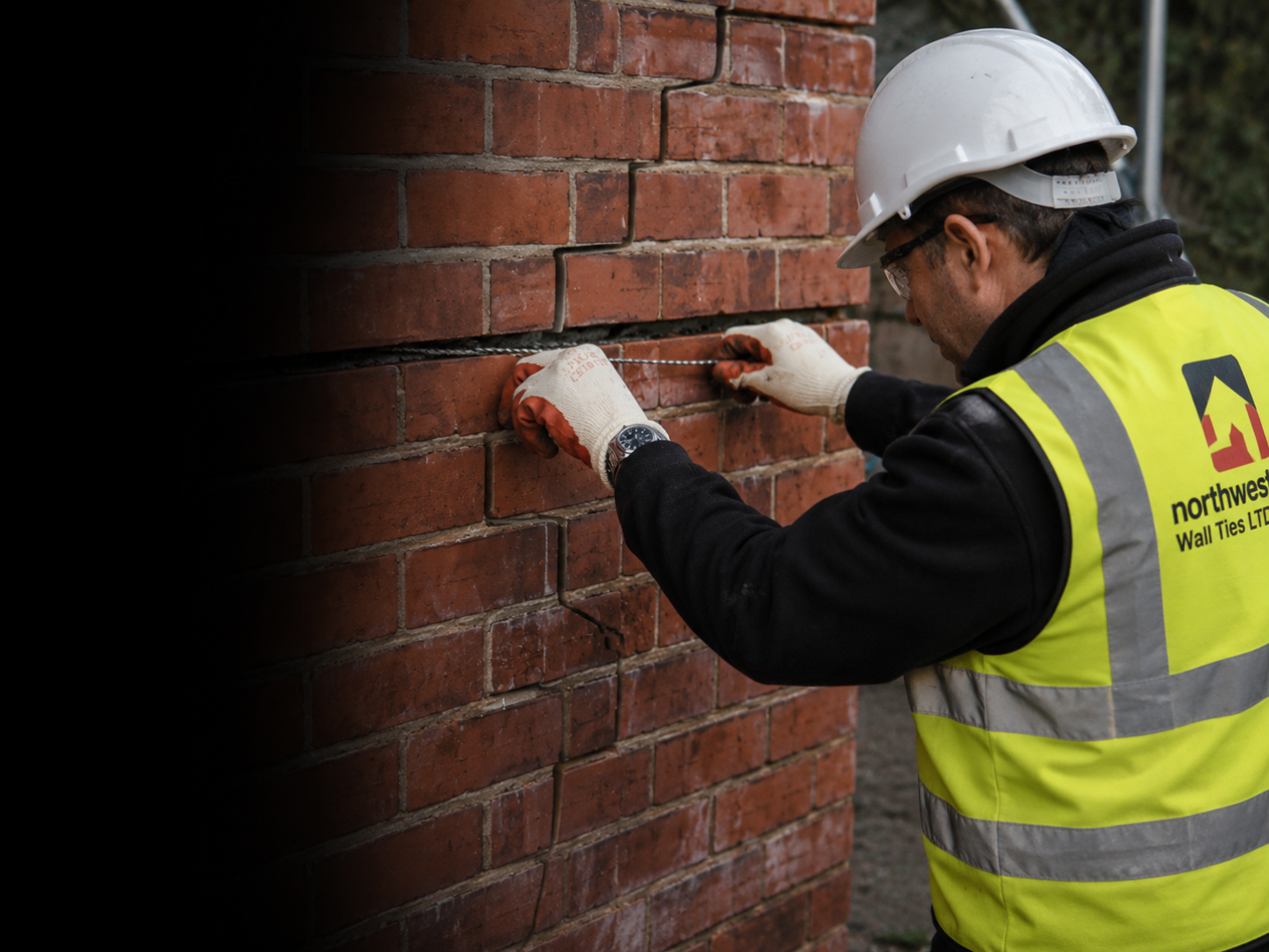
stitching stepped cracks

Crack stitching reinforces cracked masonry by tying the brickwork together and helping distribute stresses across the affected area.

Stainless steel helical bars are installed into the mortar joints, extending across the crack and into sound masonry on either side. They are then securely bonded in place using specialist structural resin or repair mortar.

This helps reinforce the brickwork, reduce stress at the crack and restore continuity across the affected area.

✓ Reinforces Cracked Masonry

Stainless steel bars bridge the crack and provide additional reinforcement.

✓ Helps Distribute Stress

The bars transfer stresses into the surrounding sound masonry.

✓ Helps Restore Continuity

The repair ties the masonry together, helping stabilise the affected area.

GET YOUR FREE QUOTE

Complete the form below and we’ll get back to you with a personalised quote.

Name
Your number will only be used to contact you about your enquiry and free quote. We won’t use it for marketing or share it with third parties.
Your email address will only be used to respond to your enquiry and provide your free quote.
Preferred Contact Method
What Do You Require a Quote For?

CRACK STITCHING FAQS

Should I repair stepped cracks before they get worse?2026-08-30T18:30:17+00:00

It is sensible to have significant, widening or recurring cracks assessed rather than simply filling them and leaving them. Early assessment can help identify whether there is ongoing movement and what type of repair may be appropriate.

Do you offer a guarantee on crack stitching?2026-08-30T18:29:42+00:00

Yes, our crack stitching work is fully guaranteed, giving you added confidence in the quality and durability of the repair.

How much does crack stitching cost?2026-08-30T18:29:18+00:00

The cost depends on factors such as the length and severity of the crack, access, number of stitching bars required, wall construction and any additional repairs needed. We can assess the affected area and provide a free, no-obligation quote.

How do I know if my wall needs crack stitching?2026-08-30T18:28:48+00:00

There is no single crack pattern that confirms crack stitching is required. An assessment should consider the type, width, direction and location of the crack, as well as signs of movement, settlement, wall tie problems or inadequate restraint.

Can you stitch a crack that has been repaired before?2026-08-30T18:28:05+00:00

Potentially. Cracks that have previously been filled or repaired can sometimes be stitched, but the existing repair material may need to be removed or prepared appropriately. The condition of the masonry and reason for the previous failure should be considered.

Is crack stitching better than simply filling a crack?2026-08-30T18:27:37+00:00

Simply filling a crack may improve its appearance but does not necessarily reinforce the masonry. Crack stitching provides mechanical reinforcement across the affected area, making it a more substantial repair where the masonry is suitable and reinforcement is required.

How long does crack stitching last?2026-08-30T18:27:13+00:00

When the correct repair method and suitable materials are used, crack stitching is intended to provide a long-term reinforcement of the masonry. The longevity of the repair also depends on the condition of the existing wall and whether any underlying cause of movement has been addressed.

Can a lack of restraint cause cracks in brickwork?2026-08-30T18:26:46+00:00

Yes. Masonry requires suitable restraint to help control movement, particularly around areas such as gable walls, corners and openings. Inadequate restraint can allow movement or displacement of the masonry and may contribute to cracking.

Do wall ties cause stepped cracking?2026-08-30T18:26:20+00:00

Wall tie problems can contribute to movement and cracking in some cavity walls, particularly where ties are missing, inadequate, deteriorated or not providing sufficient restraint. However, stepped cracking has many possible causes, so the presence of a crack does not automatically mean the wall ties are responsible.

Can crack stitching repair internal cracks?2026-08-30T18:25:54+00:00

It depends on the construction and cause of the cracking. Internal cracks can sometimes be related to movement within the masonry, but they may also have completely different causes. The crack should be assessed before deciding whether crack stitching is suitable.

Can crack stitching be used on external walls?2026-08-30T18:25:24+00:00

Yes, crack stitching is commonly used to reinforce suitable cracked external masonry. The repair method and materials should be appropriate for the type of wall, existing masonry and location of the crack.

Can crack stitching repair cracks around windows and doors?2026-08-30T18:25:01+00:00

Potentially, yes. Cracking around window and door openings can occur because these areas experience changes in load distribution and movement. The cause and condition of the surrounding masonry should be assessed to determine whether crack stitching is appropriate.

Can crack stitching be used on old brickwork?2026-08-30T18:24:33+00:00

Crack stitching can be suitable for many types of existing masonry, including older brickwork, provided the surrounding masonry is suitable for the repair. The condition of the bricks, mortar and affected area should be assessed before work begins.

Will you need to remove the bricks?2026-08-30T18:24:10+00:00

In many suitable crack stitching repairs, the existing bricks can remain in place. The stitching bars are installed into the mortar joints rather than requiring the wall to be dismantled. However, the appropriate repair depends on the condition and extent of the damage.

Are crack stitching bars visible after the repair?2026-08-30T18:23:47+00:00

No. The bars are installed into the mortar joints and are covered during the repair process. Once completed and the mortar is finished, the repair is designed to blend into the existing brickwork.

How does crack stitching work?2026-08-30T18:23:25+00:00

Stainless steel helical bars are installed horizontally into the mortar joints, extending across the crack and into sound masonry on either side. The bars are securely bonded into place, helping tie the masonry together and distribute stresses across the affected area.

Does crack stitching fix the cause of the crack?2026-08-30T18:22:59+00:00

Crack stitching primarily reinforces and stabilises the masonry. It does not automatically resolve every underlying cause of movement. Where cracking is associated with issues such as settlement, wall ties or lack of restraint, the underlying problem may also require attention.

Can crack stitching stop a crack from coming back?2026-08-30T18:22:33+00:00

Crack stitching can help stabilise and reinforce suitable cracked masonry, but it is important to understand why the cracking occurred in the first place. If ongoing movement or another underlying issue is present, this may need to be addressed as part of the repair.

Are stepped cracks in brickwork serious?2026-08-30T18:22:06+00:00

Not necessarily. Some cracks may be relatively minor, while others can indicate ongoing movement or a problem requiring further investigation. The width, direction, location and progression of the crack should all be considered when assessing the cause.

What causes stepped cracking in brickwork?2026-08-30T18:21:40+00:00

Stepped cracking can have a number of causes, including movement and settlement, ground movement, thermal or moisture movement, inadequate restraint and wall tie problems. Previous unsuccessful repairs can also result in cracks reappearing.

What are zig zag cracks in walls?2026-08-30T18:21:06+00:00

Zig zag cracks in walls are cracks that follow a stepped or diagonal pattern through the mortar joints of brickwork. They can be associated with movement, settlement, ground conditions, inadequate restraint, wall tie issues or other causes. The pattern and location of the cracking should be assessed before deciding on the appropriate repair.

What is crack stitching?2026-08-30T18:20:36+00:00

Crack stitching is a specialist masonry repair technique used to stabilise and reinforce cracked brickwork. Stainless steel helical crack stitching bars are installed into the mortar joints across the crack and bonded into sound masonry on either side.

cracking outside house when to worry?

Why Might You Need Crack Stitching?

Stepped cracks in brickwork can develop when a wall is subjected to movement or stress. If left untreated, cracks can become more noticeable and may continue to affect the surrounding masonry.

Crack stitching is a specialist repair method used to reinforce and stabilise cracked brickwork, helping restore strength and continuity across the affected area.

It may be recommended where cracking has caused a break in the masonry and the surrounding brickwork remains suitable for repair.

Stepped Cracking
Cracks that follow a stepped pattern through the mortar joints of the brickwork.

Movement & Settlement
Cracking associated with movement or settlement within the building.

Previous Repairs Have Failed
Cracks that have reappeared after being filled or repaired previously.

Cracked Masonry Needs Reinforcing
Where the masonry requires additional reinforcement across the affected area.

How Does Crack Stitching Work?

Crack stitching works by reinforcing the cracked masonry and helping to distribute loads and stresses through the surrounding brickwork.

Stainless steel helical crack stitching bars are installed horizontally into the mortar joints, extending across the crack and into sound masonry on either side. Once securely bonded into place with specialist repair mortar, the bars help tie the masonry back together and transfer stresses across the affected area, reducing the concentration of stress at the crack.

This helps restore continuity to the brickwork and provides a strong, durable repair where crack stitching is considered suitable.

Reinforces the cracked masonry
The stitching bars bridge the crack and provide additional reinforcement.

Helps distribute loads and stresses
The bars help transfer stresses away from the cracked area and into the surrounding masonry.

Helps restore continuity
The repair ties the masonry together across the crack, helping stabilise the affected area.

how to fix stepped cracking

Get Your Free Quote

Share a few details about your project and we’ll take care of the rest.

Name
Your number will only be used to contact you about your enquiry and free quote. We won’t use it for marketing or share it with third parties.
Your email address will only be used to respond to your enquiry and provide your free quote.
Preferred Contact Method
What Do You Require a Quote For?

MASONRY CRACK STITICHING FAQS

What is crack stitching?2026-08-30T18:20:36+00:00

Crack stitching is a specialist masonry repair technique used to stabilise and reinforce cracked brickwork. Stainless steel helical crack stitching bars are installed into the mortar joints across the crack and bonded into sound masonry on either side.

What are zig zag cracks in walls?2026-08-30T18:21:06+00:00

Zig zag cracks in walls are cracks that follow a stepped or diagonal pattern through the mortar joints of brickwork. They can be associated with movement, settlement, ground conditions, inadequate restraint, wall tie issues or other causes. The pattern and location of the cracking should be assessed before deciding on the appropriate repair.

What causes stepped cracking in brickwork?2026-08-30T18:21:40+00:00

Stepped cracking can have a number of causes, including movement and settlement, ground movement, thermal or moisture movement, inadequate restraint and wall tie problems. Previous unsuccessful repairs can also result in cracks reappearing.

Are stepped cracks in brickwork serious?2026-08-30T18:22:06+00:00

Not necessarily. Some cracks may be relatively minor, while others can indicate ongoing movement or a problem requiring further investigation. The width, direction, location and progression of the crack should all be considered when assessing the cause.

Can crack stitching stop a crack from coming back?2026-08-30T18:22:33+00:00

Crack stitching can help stabilise and reinforce suitable cracked masonry, but it is important to understand why the cracking occurred in the first place. If ongoing movement or another underlying issue is present, this may need to be addressed as part of the repair.

Does crack stitching fix the cause of the crack?2026-08-30T18:22:59+00:00

Crack stitching primarily reinforces and stabilises the masonry. It does not automatically resolve every underlying cause of movement. Where cracking is associated with issues such as settlement, wall ties or lack of restraint, the underlying problem may also require attention.

How does crack stitching work?2026-08-30T18:23:25+00:00

Stainless steel helical bars are installed horizontally into the mortar joints, extending across the crack and into sound masonry on either side. The bars are securely bonded into place, helping tie the masonry together and distribute stresses across the affected area.

Are crack stitching bars visible after the repair?2026-08-30T18:23:47+00:00

No. The bars are installed into the mortar joints and are covered during the repair process. Once completed and the mortar is finished, the repair is designed to blend into the existing brickwork.

Will you need to remove the bricks?2026-08-30T18:24:10+00:00

In many suitable crack stitching repairs, the existing bricks can remain in place. The stitching bars are installed into the mortar joints rather than requiring the wall to be dismantled. However, the appropriate repair depends on the condition and extent of the damage.

Can crack stitching be used on old brickwork?2026-08-30T18:24:33+00:00

Crack stitching can be suitable for many types of existing masonry, including older brickwork, provided the surrounding masonry is suitable for the repair. The condition of the bricks, mortar and affected area should be assessed before work begins.

Can crack stitching repair cracks around windows and doors?2026-08-30T18:25:01+00:00

Potentially, yes. Cracking around window and door openings can occur because these areas experience changes in load distribution and movement. The cause and condition of the surrounding masonry should be assessed to determine whether crack stitching is appropriate.

Can crack stitching be used on external walls?2026-08-30T18:25:24+00:00

Yes, crack stitching is commonly used to reinforce suitable cracked external masonry. The repair method and materials should be appropriate for the type of wall, existing masonry and location of the crack.

Can crack stitching repair internal cracks?2026-08-30T18:25:54+00:00

It depends on the construction and cause of the cracking. Internal cracks can sometimes be related to movement within the masonry, but they may also have completely different causes. The crack should be assessed before deciding whether crack stitching is suitable.

Do wall ties cause stepped cracking?2026-08-30T18:26:20+00:00

Wall tie problems can contribute to movement and cracking in some cavity walls, particularly where ties are missing, inadequate, deteriorated or not providing sufficient restraint. However, stepped cracking has many possible causes, so the presence of a crack does not automatically mean the wall ties are responsible.

Can a lack of restraint cause cracks in brickwork?2026-08-30T18:26:46+00:00

Yes. Masonry requires suitable restraint to help control movement, particularly around areas such as gable walls, corners and openings. Inadequate restraint can allow movement or displacement of the masonry and may contribute to cracking.

How long does crack stitching last?2026-08-30T18:27:13+00:00

When the correct repair method and suitable materials are used, crack stitching is intended to provide a long-term reinforcement of the masonry. The longevity of the repair also depends on the condition of the existing wall and whether any underlying cause of movement has been addressed.

Is crack stitching better than simply filling a crack?2026-08-30T18:27:37+00:00

Simply filling a crack may improve its appearance but does not necessarily reinforce the masonry. Crack stitching provides mechanical reinforcement across the affected area, making it a more substantial repair where the masonry is suitable and reinforcement is required.

Can you stitch a crack that has been repaired before?2026-08-30T18:28:05+00:00

Potentially. Cracks that have previously been filled or repaired can sometimes be stitched, but the existing repair material may need to be removed or prepared appropriately. The condition of the masonry and reason for the previous failure should be considered.

How do I know if my wall needs crack stitching?2026-08-30T18:28:48+00:00

There is no single crack pattern that confirms crack stitching is required. An assessment should consider the type, width, direction and location of the crack, as well as signs of movement, settlement, wall tie problems or inadequate restraint.

How much does crack stitching cost?2026-08-30T18:29:18+00:00

The cost depends on factors such as the length and severity of the crack, access, number of stitching bars required, wall construction and any additional repairs needed. We can assess the affected area and provide a free, no-obligation quote.

Do you offer a guarantee on crack stitching?2026-08-30T18:29:42+00:00

Yes, our crack stitching work is fully guaranteed, giving you added confidence in the quality and durability of the repair.

Should I repair stepped cracks before they get worse?2026-08-30T18:30:17+00:00

It is sensible to have significant, widening or recurring cracks assessed rather than simply filling them and leaving them. Early assessment can help identify whether there is ongoing movement and what type of repair may be appropriate.

Go to Top